238% new customer growth, without losing the soul of the brand.
The Results
Since partnering with Common Intent, compared with the same period previously:
160%
Increase in new customers
147%
Increase in returning customers
258%
Increase in total sales
And looking at 2025 against 2024:
238%
Increase in new customers
118%
Increase in returning customers
191%
Increase in total sales
The numbers matter. But they're only half the story.
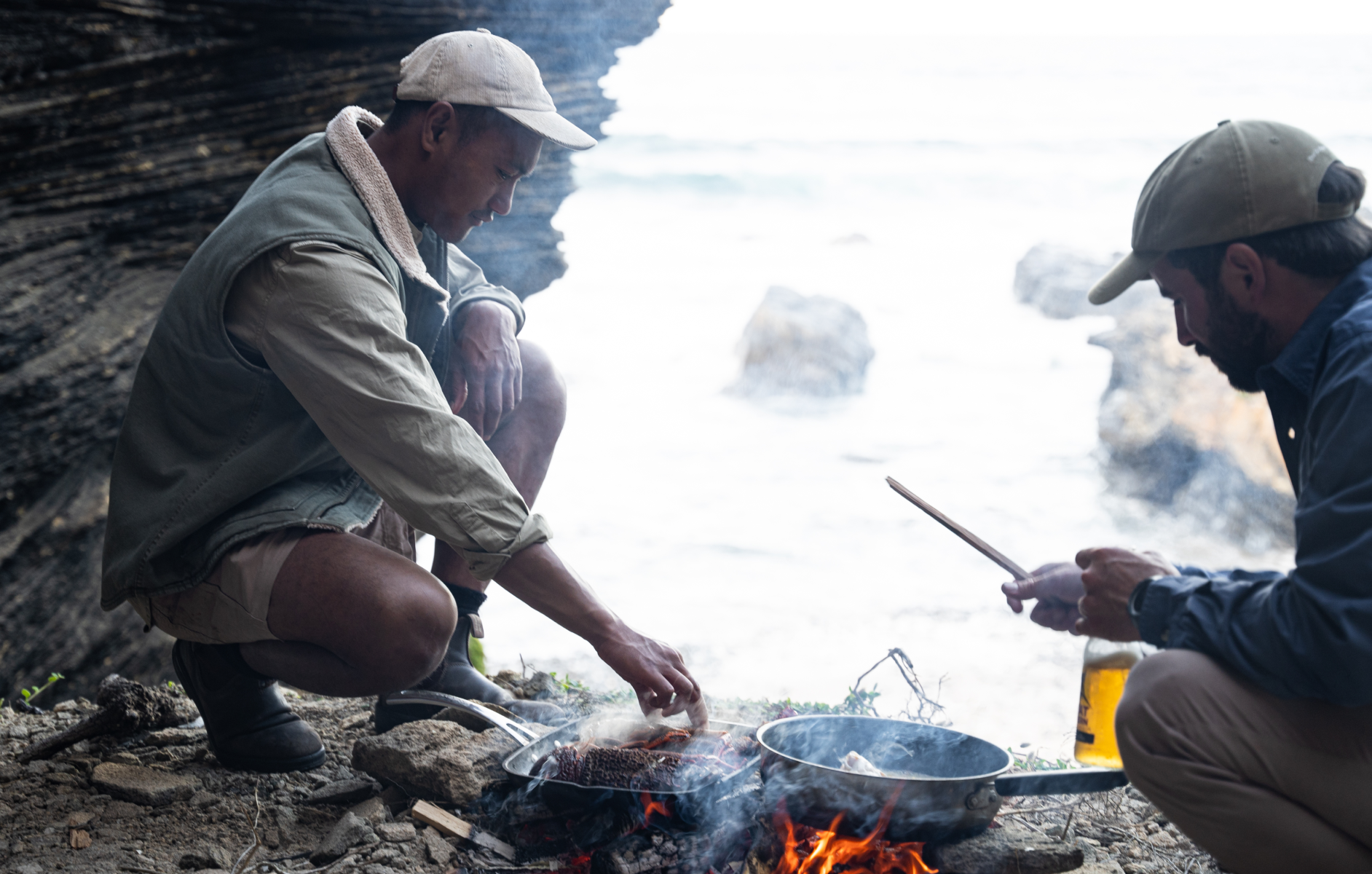
Meet Ranger.
Ranger Outdoor is an Australian workwear brand making clothing for people who would rather be outside.
Their workshirts are made from organic cotton with UPF50+ protection, alongside an Australian-made range built around the same commitment to quality and longevity.
But the product has always represented something slightly bigger.
The focus on being outdoors. The creation of things made properly. Things kept for longer.
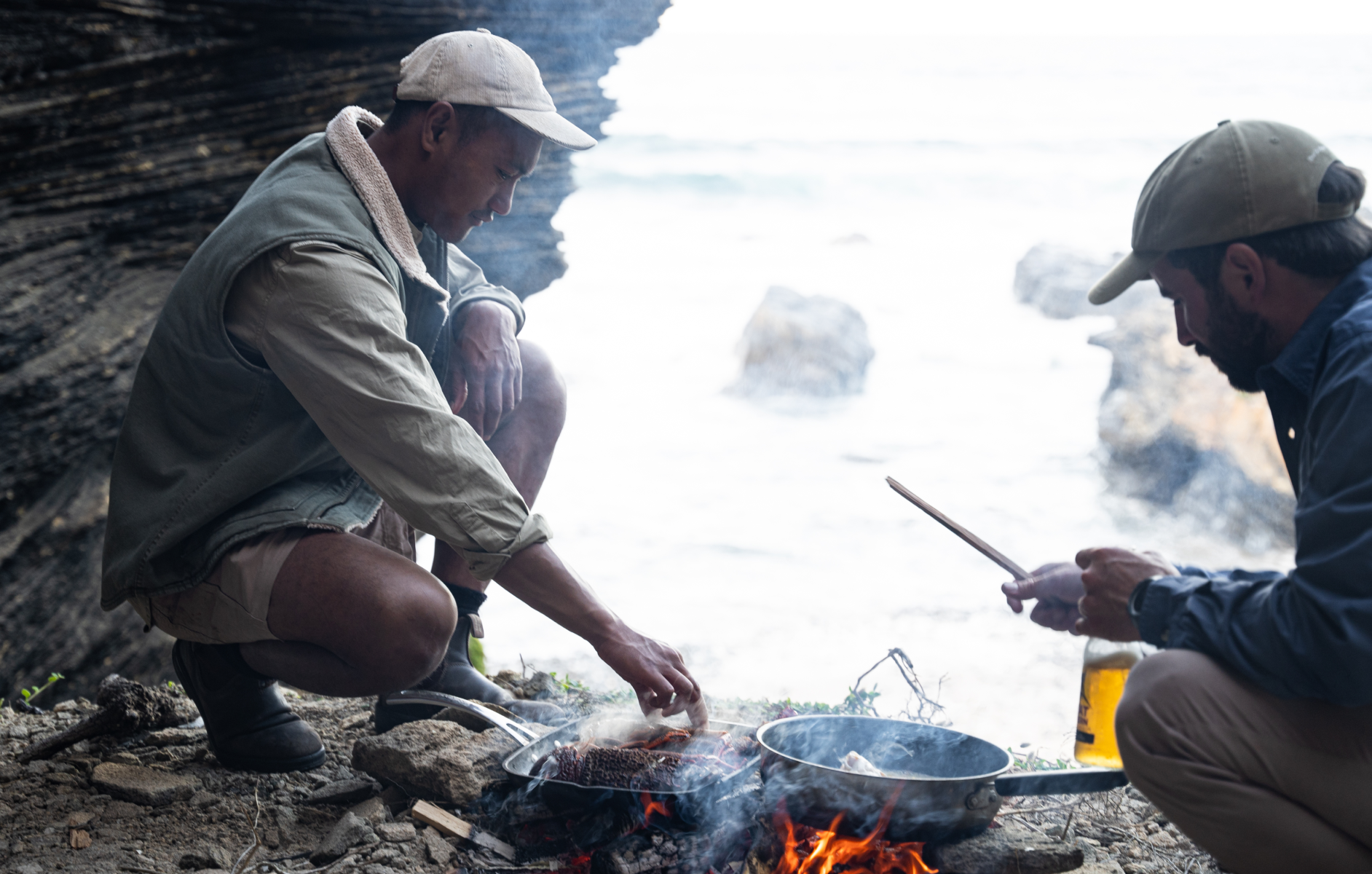
Ranger didn't have a brand problem.
They had already done the hard part.
Ranger had a genuinely good product. A loyal organic following. Customers who understood what the brand stood for. And the kind of word of mouth most businesses spend years trying to manufacture.
So our job wasn't to come in and “fix the marketing”. It was to work out how to grow what was already working without turning Ranger into something it wasn't. That distinction mattered, because more growth doesn't always equal better growth.
You can scale a brand quickly by discounting harder, chasing broader audiences and pushing whatever message gets the cheapest click. And in doing so, slowly lose the very thing that made people care about the brand in the first place.
Paid media, without becoming a paid media brand.
When we started working together in October 2024, paid acquisition was still relatively uncharted territory for Ranger. There was understandable caution around it.
Would advertising introduce the brand to more of the right people? Or would it begin changing the way Ranger needed to behave in order to make the numbers work?
Before we could decide how Ranger should grow, we needed to understand what Bryce was actually trying to build. Why he created Ranger in the first place. What he wanted the business to become over the long term. The values behind the brand. The thinking behind each product: why it existed, why it was made the way it was, and why those details mattered.
Because if we were going to introduce Ranger to more people, we first needed to understand what was worth protecting.
Then the question became: how do we help someone who has never heard of Ranger understand what makes it different, quickly? Paid media gave us a way to test that at scale.
Could we find more people who responded to Ranger for the same reasons its existing customers did? Not just who would click. Who would buy. And increasingly, who would come back.
As those patterns became clearer, we put more investment behind them. Simple in theory. Much harder in practice.
The ad isn't the whole experience.
One of the stranger habits of performance marketing is pretending the performance of an ad begins and ends inside an advertising platform. It doesn't.
The ad can do its job perfectly and still send someone to a website that confuses them, an email journey that feels disconnected, or a product page that leaves important questions unanswered.
So while we worked on acquisition, we also looked at what happened after the click. How people entered the website. What they understood first. What they needed to know before buying. What happened after they purchased. And what might give them a reason to return.
This included refining Ranger's EDM strategy, moving away from high-volume, generic sends in favour of fewer, more purposeful emails that felt distinctly Ranger. Each email reflected the brand's voice and made every send count, supporting conversion, retention and repeat purchase.
The goal wasn't to optimise every centimetre of the business. It was to find the parts of the journey that were making growth harder than it needed to be, and make those parts better.
Growth gave Ranger something else: evidence.
More customers meant more sales. But it also meant less guesswork.
We started to see more clearly which messages people responded to. Which products introduced someone to Ranger. Where new demand was coming from. What deserved more investment, and what didn't.
Growth became a way of learning. Paid media became less of a gamble and more of a feedback loop.
We shared those insights with Ranger, helping the team create more of the content that resonated and converted.
But performance never came at the expense of the brand. The strongest content still looked, sounded and felt unmistakably Ranger, and its impact extended beyond paid media, driving stronger organic engagement too.
And decisions that had previously relied on instinct could increasingly be backed by evidence.
The result wasn't a different Ranger.
That's one of the things we're proudest of.
Ranger grew substantially. New customers grew. Returning customers grew. Sales grew.
But the answer wasn't to become louder, more promotional or more like everyone else competing for attention online. Ranger could still be Ranger.
During Black Friday, while much of ecommerce was shouting about bigger discounts and ticking countdown clocks, Ranger held a community BBQ at its Torquay showroom. Free beers. Good food. Sample pieces. People spending time together.
There's no cleanly trackable attribution model for that, but moments like this make us proud to play a role in growing such a brand.
Here's to The Outdoor People, and to building businesses that still feel like you as they grow.
Kind Words
“The Common Intent team just get Ranger, we've loved working with Jas, Dirk and Julien. They understand the brand, who we're talking to and work with us to make sure we're putting the right content in front of the right people, in a way that actually sounds like us. They're quick, easy to work with and genuinely feel like an extension of our team, they're never just pushing us to do more or spend more. We've seen some great success working together and, more importantly, built really good momentum that keeps moving in the right direction.”
— Emily Curnow
like what you see? let's work together.
start a conversation